Get Vapor Barrier Installation
Local contractors can install vapor barriers to prevent moisture issues, mold growth, and structural damage in basements, crawl spaces, and other building areas.
Vapor barrier installation is an important step for property owners looking to improve indoor comfort and protect building structures. Properly installed vapor barriers help prevent moisture from seeping into walls and floors, reducing the risk of mold growth, wood rot, and other moisture-related issues. Whether planning a renovation, new construction, or addressing existing concerns, exploring options for professional vapor barrier installation ensures the work is done effectively and efficiently.
For those in the area considering this project, connecting with local contractors who specialize in vapor barrier services can provide valuable insights and tailored solutions. Comparing different local service providers allows property owners to evaluate the experience and approaches available, helping to make informed decisions about their property's moisture management needs. Keep reading to learn more about how local experts can assist with vapor barrier installation.
- Basement Renovations - when moisture control is needed to protect finished spaces from vapor intrusion.
- New Construction Projects - during building phases to ensure proper vapor barrier installation for foundation integrity.
- Attic Insulation Upgrades - when improving energy efficiency requires a vapor barrier to prevent moisture buildup.
- Commercial Building Maintenance - for ongoing moisture management in warehouses, retail spaces, or industrial facilities.
- Foundation Repairs - when addressing cracks or water infiltration issues that require vapor barrier replacement or repair.
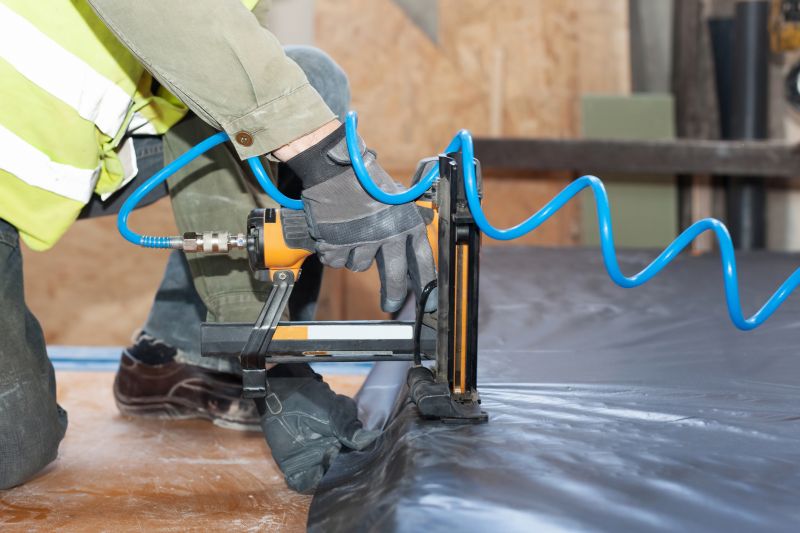
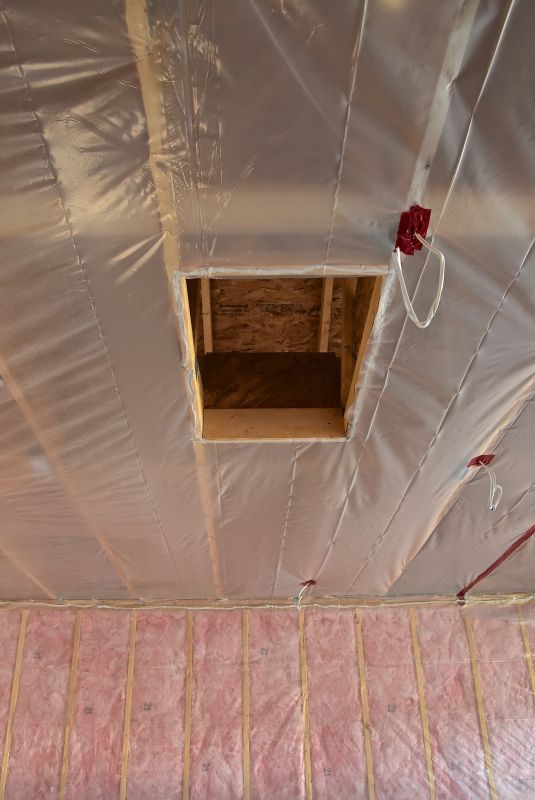
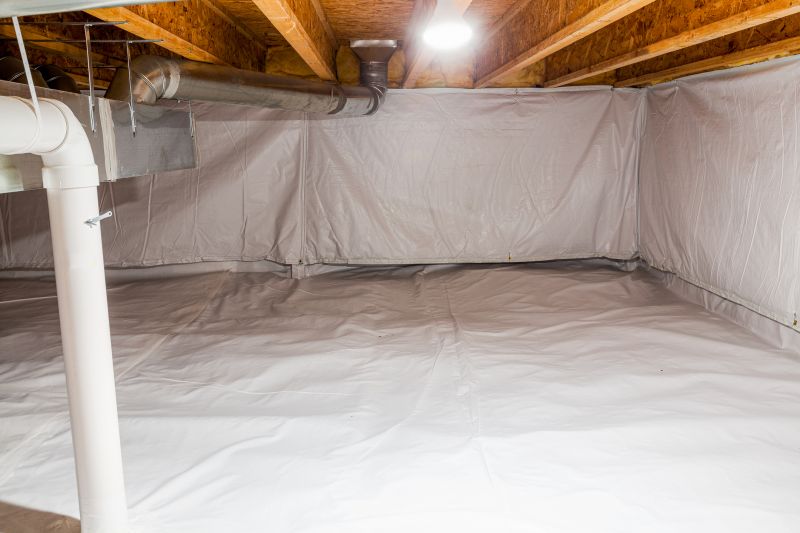
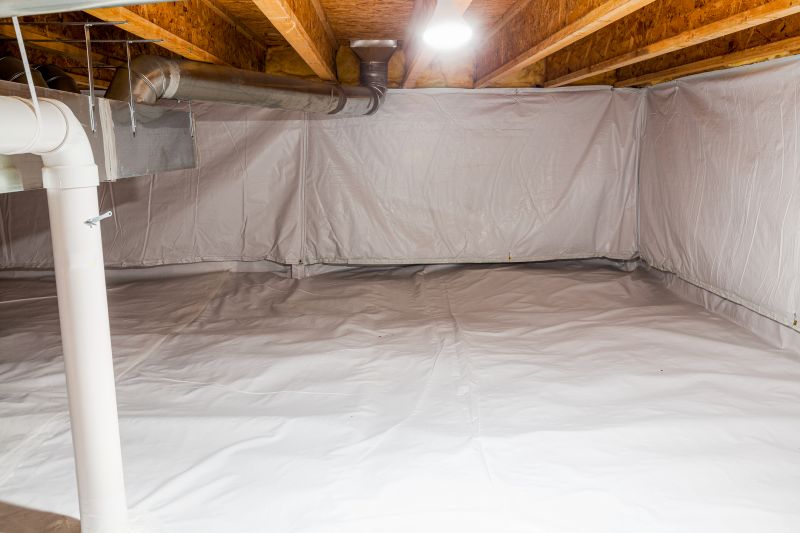
Vapor barrier installation involves placing a specialized material, typically a plastic or foil sheet, in areas prone to moisture buildup. This barrier is installed between the ground and the flooring or within wall cavities to prevent moisture from seeping into the interior spaces. Proper installation helps control humidity levels, reduce the risk of mold growth, and protect structural components from water damage. It is an essential step in creating a dry, healthy environment in both new construction projects and existing properties.
This service is particularly valuable in addressing common problems caused by excess moisture. For example, homes with basements or crawl spaces often experience dampness, which can lead to mold, wood rot, and unpleasant odors. Vapor barriers help mitigate these issues by blocking moisture from rising through the foundation or walls. They also contribute to improved indoor air quality and can prevent long-term structural damage that results from persistent dampness.
Vapor barrier installation is suitable for a variety of property types, including residential homes, apartment buildings, and commercial structures. Homes with basements, crawl spaces, or slab foundations are frequent candidates for this service. Properties located in humid or wet climates often benefit from vapor barriers to maintain a dry interior environment. Whether upgrading an existing space or preparing a new build, local contractors can assess the specific needs of each property and recommend the appropriate vapor barrier solutions.
Homeowners who notice signs of excessive moisture, such as condensation on windows, musty odors, or visible mold, should consider vapor barrier installation. This service is also recommended during major renovations or foundation repairs to ensure moisture issues do not recur. By working with experienced local service providers, property owners can find effective solutions to manage moisture, protect their investments, and maintain a healthier living or working space.
The overview below groups typical Vapor Barrier Installation projects into broad ranges so you can see how smaller, mid-sized, and larger jobs often compare in your area.
In many markets, a large share of routine jobs stays in the lower and middle ranges, while only a smaller percentage of projects moves into the highest bands when the work is more complex or site conditions are harder than average.
Smaller Repairs - Most minor vapor barrier repairs or patch jobs typically cost between $250 and $600. These projects often involve localized fixes and are common among local contractors. Larger or more complex repairs can push the price higher, but many jobs fall within this range.
Full Replacement - Replacing an entire vapor barrier in a basement or crawl space usually ranges from $1,200 to $3,000. This cost varies based on the size of the area and the materials used, with many projects landing in the middle of this band.
Large or Complex Projects - Extensive installations or upgrades in multiple areas can reach $5,000 or more. Such projects are less common but are handled by local service providers for properties with extensive needs or structural considerations.
Factors Influencing Cost - The overall cost can vary depending on the project's scope, accessibility, and material choices. Many local contractors provide estimates within these typical ranges, but prices can fluctuate based on specific site conditions.
Actual totals will depend on details like access to the work area, the scope of the project, and the materials selected, so use these as general starting points rather than exact figures.
Basement Waterproofing Projects - these projects involve applying barriers to prevent moisture intrusion, requiring similar skills in moisture control and surface preparation as vapor barrier installation.
Crawl Space Encapsulation - encapsulation involves sealing and insulating crawl spaces, utilizing comparable planning and material handling skills as vapor barrier work.
Concrete Floor Moisture Mitigation - addressing moisture issues beneath concrete slabs requires knowledge of vapor transmission and barrier application techniques.
Underground Utility Pipe Insulation - insulating and protecting underground pipes involves planning and installation skills similar to vapor barrier placement in various structures.
Foundation Wall Sealing - sealing foundation walls to prevent water infiltration shares techniques related to vapor barrier installation and moisture management.
Insulation Installation in Attics and Walls - installing insulation often involves vapor retarders, requiring similar understanding of moisture barriers and proper installation methods.
When comparing service providers for vapor barrier installation, it’s important to consider their experience with similar projects. Homeowners should look for local contractors who have a proven track record of handling vapor barrier work in environments comparable to their own. An experienced professional will be familiar with common challenges and best practices, helping to ensure the job is completed effectively and efficiently. Asking for details about past projects or examples of completed work can provide insight into a contractor’s familiarity with vapor barriers and their ability to deliver quality results.
Clear, written expectations are essential when evaluating potential service providers. Homeowners should seek out local pros who can provide detailed descriptions of their installation process, materials used, and any warranties or guarantees offered. Having this information in writing helps prevent misunderstandings and ensures everyone is aligned on the scope of work. It’s also beneficial to clarify what the contractor’s responsibilities are and what the homeowner’s role might be, fostering transparency and setting a solid foundation for the project.
Good communication and reputable references are key indicators of a reliable local contractor. Homeowners should inquire about how the service provider communicates throughout the project, including updates and responsiveness to questions. Additionally, requesting references from previous clients can offer valuable insight into the contractor’s professionalism, workmanship, and ability to meet expectations. While the site introduces homeowners to various local options, selecting a provider who emphasizes clear communication and has positive references can contribute to a smoother, more predictable vapor barrier installation experience.
Property owners use Vapor Barrier Installation services for practical projects around their homes and businesses. This guide focuses on everyday jobs and straightforward project options.
Vapor barrier installation is a common need for property owners dealing with moisture issues in basements, crawl spaces, or other below-grade areas. Local contractors are often called upon to help improve indoor air quality, prevent mold growth, and protect building structures from water damage. Whether it’s preparing a space for finishing or addressing ongoing dampness, many property owners seek out experienced service providers to ensure the job is done correctly and effectively.
In addition, property owners might look for vapor barrier services when renovating or upgrading their homes to meet building standards or to enhance energy efficiency. Local professionals can assess existing conditions and recommend appropriate solutions to help keep moisture out of living spaces. Connecting with trusted local contractors makes it easier to find the right expertise for these projects, ensuring that moisture control needs are addressed properly.
What is a vapor barrier and why is it important? A vapor barrier is a material installed to prevent moisture from passing through walls or floors, helping to protect structures from mold and damage caused by excess humidity.
Where are vapor barriers typically installed? Vapor barriers are commonly installed in basements, crawl spaces, and underneath concrete slabs to control moisture levels in these areas.
How do local contractors install vapor barriers? Skilled service providers typically lay down a specialized plastic or foil sheet across surfaces, sealing edges and penetrations to ensure effective moisture control.
Can vapor barriers be installed in existing structures? Yes, experienced contractors can often add vapor barriers to existing buildings, especially in areas prone to moisture issues.
What types of materials are used for vapor barriers? Common materials include polyethylene plastic sheets, foil-backed membranes, and other moisture-resistant barriers suitable for various applications.
Basement Moisture Control - Installing a vapor barrier can help prevent moisture buildup in basements, creating a healthier space for storage or living areas.
Garage Floor Protection - A vapor barrier can be used under concrete slabs to reduce vapor transmission, protecting flooring and stored items from dampness.
Foundation Waterproofing - Local contractors can install vapor barriers to help manage soil humidity and reduce the risk of foundation damage over time.
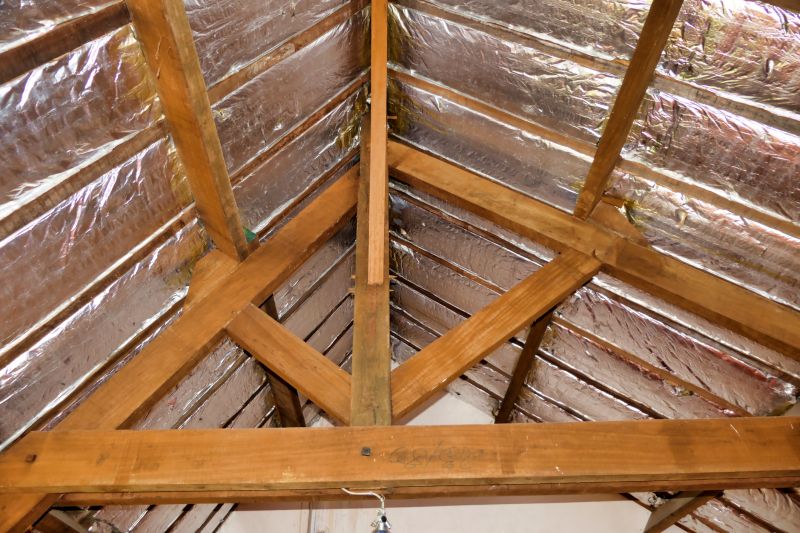
Attic Insulation Enhancement - Incorporating vapor barriers in attics can improve insulation effectiveness and prevent condensation issues in upper levels.
If you are thinking about Vapor Barrier Installation for a property, this guide is meant to help you understand the work, the typical project types, and how different options might fit your plans.
When you are ready, you can use the quote form on this page to share a few details about your project. From there, local pros can review the basics and respond with options that match what you have in mind.